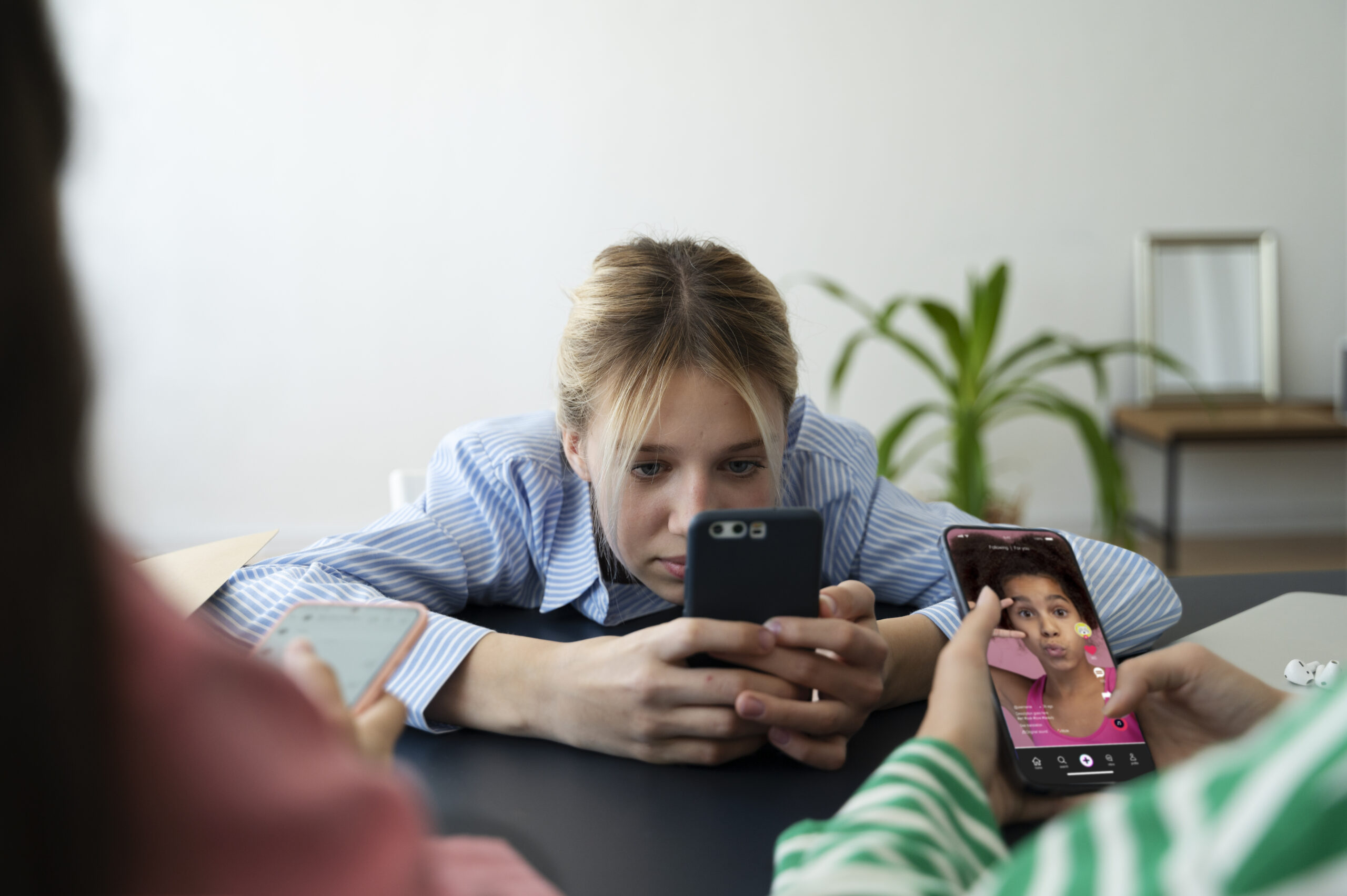







Social media has become a central part of modern life. From staying connected with friends to consuming news and entertainment, platforms like Instagram, TikTok, and Facebook are used daily. While these platforms offer many benefits, excessive or unbalanced use can significantly impact your mental health.
The Psychological Effects of Social Media
Although social media creates opportunities for connection, it can also lead to emotional challenges such as:
- Comparison and Low Self-Esteem: Constant exposure to curated, “perfect” lifestyles can make individuals feel inadequate or dissatisfied with their own lives.
- Anxiety and Overstimulation: Endless scrolling and information overload can increase stress and make it difficult to relax.
- Fear of Missing Out (FOMO): Seeing others constantly engaged in exciting activities can lead to feelings of exclusion or loneliness.
- Sleep Disruption: Late-night scrolling affects sleep quality, which directly impacts mental well-being.
Over time, these effects can contribute to more serious issues such as anxiety disorders and depression.
Why Social Media Has Such a Strong Impact
Social media platforms are designed to keep users engaged for as long as possible. Notifications, likes, and comments trigger dopamine release in the brain, creating a cycle of dependency.
Additionally, the content we consume is often highly filtered and edited. This creates unrealistic standards of beauty, success, and happiness, which can distort self-perception—especially among younger users.
Signs Social Media Is Affecting Your Mental Health
It’s important to recognize early warning signs, including:
- Feeling anxious or stressed after using social media
- Constantly comparing yourself to others
- Difficulty focusing or being present in real life
- Reduced productivity or motivation
- Feeling dependent on validation (likes, comments, views)
If you notice these patterns, it may be time to reassess your habits.
Healthy Social Media Habits to Protect Your Well-Being
You don’t need to quit social media completely to improve your mental health. Small, intentional changes can make a big difference:
- Set Time Limits: Use screen time tools to control how long you spend on apps daily
- Curate Your Feed: Follow accounts that inspire, educate, or uplift you
- Take Digital Detox Breaks: Disconnect regularly to reset your mind
- Avoid Late-Night Scrolling: Give your brain time to rest before sleep
- Focus on Real-Life Connections: Prioritize meaningful offline relationships
The Role of Therapy in Building Healthy Digital Habits
If social media use is negatively affecting your mental health, professional support can help you regain control. Therapy provides tools to:
- Improve self-esteem and self-awareness
- Manage anxiety and negative thought patterns
- Build healthier routines and boundaries
- Strengthen emotional resilience
At Kazmo Brain Center, personalized therapy approaches are designed to help individuals navigate modern challenges—including digital overload and social media stress.
Take Back Control of Your Mental Health
Social media should enhance your life—not control it. By becoming more mindful of your usage and seeking support when needed, you can create a healthier relationship with technology.
If you’re in Frisco, TX, expert mental health support is available to help you restore balance and improve your well-being.