





Introduction
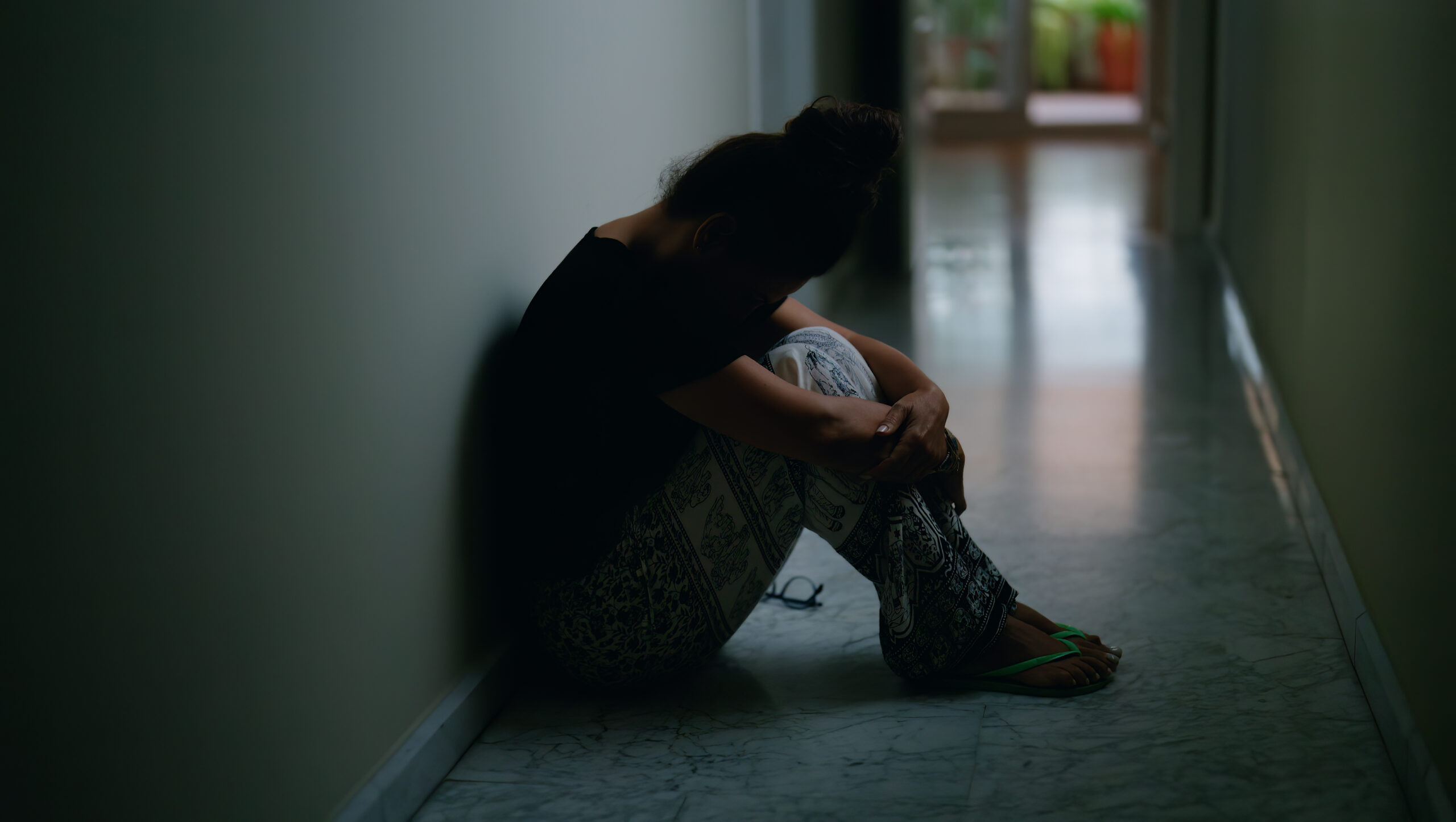
Trauma is often associated with emotional pain, but its effects can extend far beyond mental health. Many people who experience trauma notice physical symptoms that interfere with their daily lives, relationships, work performance, and overall wellbeing. Whether trauma results from childhood experiences, accidents, abuse, loss, or prolonged stress, the effects can remain long after the event itself has passed.
Understanding the connection between trauma, mental health, and physical wellness can help individuals recognize symptoms early and seek the support they need.
How Trauma Affects the Brain and Body
When a person experiences trauma, the brain activates its natural survival response, commonly known as “fight, flight, or freeze.” This response helps protect the body during stressful situations. However, unresolved trauma may cause the nervous system to remain in a constant state of alertness.
Over time, this ongoing stress response can contribute to:
- Chronic fatigue
- Headaches and migraines
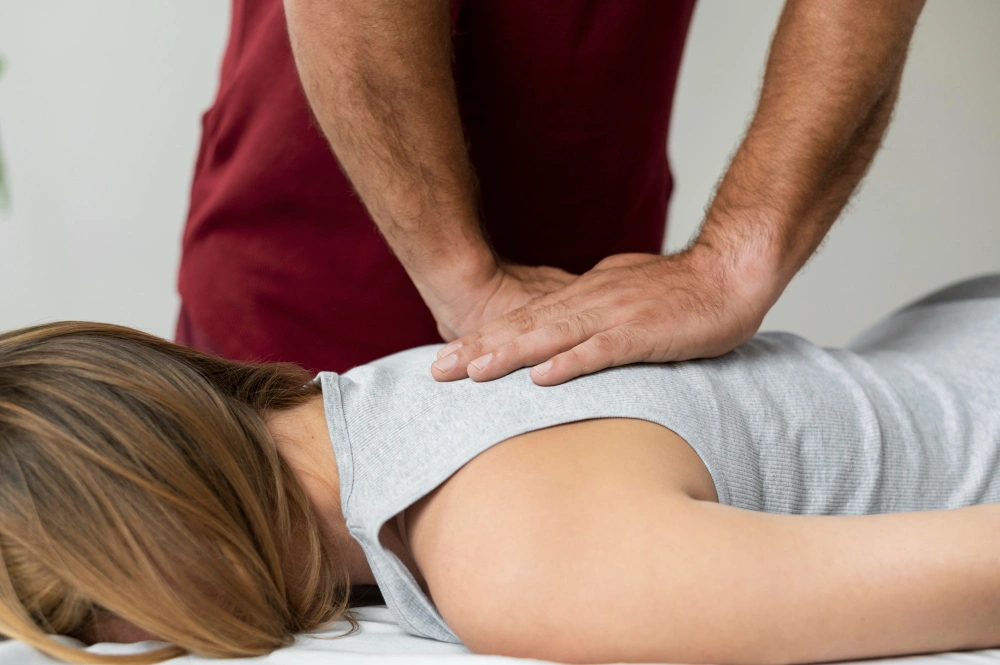
- Muscle tension
- Digestive issues
- Sleep disturbances
- Difficulty concentrating
- Increased anxiety and irritability
Many individuals also experience emotional symptoms such as panic attacks, sadness, emotional numbness, or difficulty trusting others.
Signs That Trauma May Be Affecting Daily Life
Trauma can affect every aspect of a person’s routine. Some individuals may struggle with maintaining relationships, performing well at work, or feeling emotionally present during daily activities.
Common signs include:
Emotional Symptoms
- Anxiety and fear
- Mood swings
- Depression
- Emotional withdrawal
- Feeling overwhelmed
Physical Symptoms
- Low energy levels
- Poor sleep quality
- Increased stress sensitivity
- Body aches and tension
Behavioral Symptoms
- Avoiding social situations
- Difficulty focusing
- Increased irritability
- Changes in eating or sleeping habits
Trauma in Children and Teenagers
Children and teenagers often express trauma differently than adults. Instead of openly discussing emotions, they may show behavioral or academic changes.
Parents should pay attention to:
- Sudden mood changes
- Difficulty concentrating in school
- Sleep problems
- Withdrawal from friends or activities
- Increased emotional sensitivity
Early emotional support can help children process difficult experiences in healthier ways.
Treatment and Recovery Options
Healing from trauma takes time, patience, and proper support. Therapy can help individuals process emotions safely and develop healthier coping strategies.
Some effective approaches include:
- Trauma-focused therapy
- Counseling sessions
- Mindfulness techniques
- Stress management strategies
- Emotional regulation exercises
In addition to therapy, healthy lifestyle habits such as regular exercise, quality sleep, emotional support, and self-care can improve recovery and emotional resilience.
In the end
Trauma can impact both emotional and physical health, but healing is possible with the right care and support. Recognizing symptoms early and seeking professional guidance can help individuals regain emotional balance and improve their overall quality of life.
At Kazmo Brain Center, compassionate mental health services are designed to support emotional wellness and trauma recovery for individuals and families.