
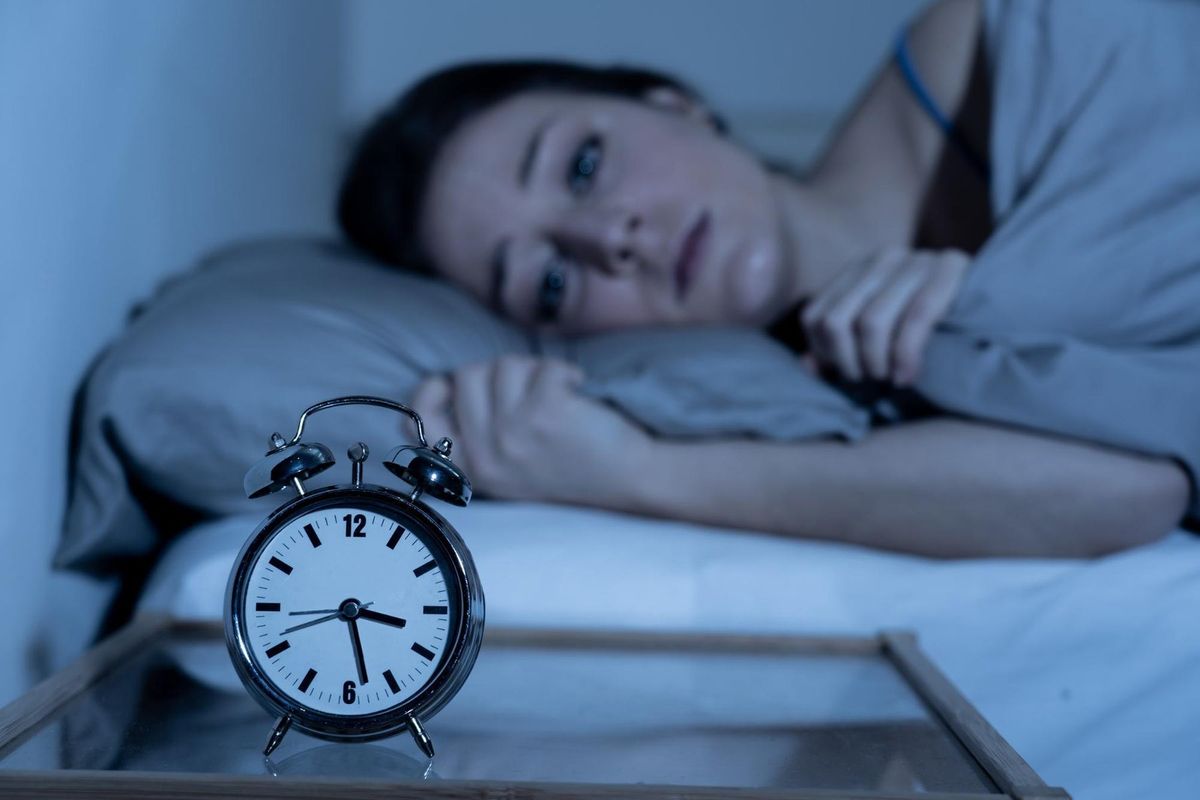






You finally lie down after a long day, but instead of relaxing, your mind becomes louder. You replay conversations, worry about tomorrow, think about everything you did not finish, or imagine worst-case scenarios. This pattern is often described as nighttime anxiety or racing thoughts at night.
For many people, nighttime anxiety is frustrating because the day may feel manageable, but bedtime becomes emotionally exhausting. The quiet of night removes distractions, making worries feel more intense.
At Kazmo Brain Center in Frisco, TX, therapy can help individuals understand anxiety patterns, calm the nervous system, and develop healthier nighttime routines.
Why Anxiety Can Feel Worse at Night
During the day, responsibilities keep the mind occupied. Work, school, parenting, errands, and social interactions create constant movement. At night, when the body slows down, unprocessed thoughts may rise to the surface.
Nighttime anxiety can be connected to:
- Chronic stress
- Generalized anxiety
- Work or school pressure
- Relationship concerns
- Trauma history
- Perfectionism
- Financial worries
- Depression
- Poor sleep routines
- Excessive screen use before bed
The mind may try to solve every problem at once, even when the body needs rest.
Common Signs of Nighttime Anxiety
Nighttime anxiety may include emotional, mental, and physical symptoms.
You may notice:
- Racing thoughts
- Difficulty falling asleep
- Waking up during the night with worry
- Tightness in the chest
- Restlessness
- Irritability before bed
- Replaying mistakes or conversations
- Fear about the future
- Feeling tired but unable to relax
- Checking your phone repeatedly to distract yourself
Over time, poor sleep can make anxiety feel worse, creating a cycle that becomes difficult to break.
Why “Just Relax” Usually Does Not Work
People with anxiety are often told to “stop worrying” or “just calm down.” Unfortunately, anxiety does not usually respond to pressure or criticism. In fact, trying to force yourself to relax can sometimes make anxiety stronger.
A more effective approach is to understand the pattern. Therapy helps identify the thoughts, behaviors, and stressors that keep the anxiety cycle active.
How Therapy Helps with Nighttime Anxiety
Therapy can help you develop tools to calm both the mind and body. Depending on your needs, treatment may include:
- Cognitive Behavioral Therapy to identify anxious thought patterns
- Relaxation and grounding techniques
- Stress management strategies
- Sleep routine planning
- Emotional regulation tools
- Boundary-setting around work, screens, and responsibilities
- Support for deeper concerns such as trauma, depression, or relationship stress
The goal is to help your brain learn that nighttime does not have to become problem-solving time.
Practical Steps You Can Try
While therapy provides personalized support, some general strategies may help reduce nighttime anxiety:
- Create a consistent bedtime routine
- Write down worries earlier in the evening
- Keep your phone away from the bed
- Avoid emotionally intense conversations right before sleep
- Practice slow breathing or grounding exercises
- Reduce caffeine later in the day
- Prepare tomorrow’s tasks before bedtime
- Use calming activities such as reading or gentle stretching
If anxiety continues to interfere with sleep, professional support may be helpful.
When to Seek Help
Consider therapy if nighttime anxiety happens frequently, affects your sleep, impacts your mood during the day, or causes you to avoid bedtime. You do not need to wait until symptoms feel severe to ask for support.
Anxiety Therapy in Frisco, TX
Kazmo Brain Center provides counseling for anxiety, stress, emotional overwhelm, and related mental health concerns. Whether your anxiety appears mostly at night or throughout the day, our team can help you build tools for calmer thinking and better emotional balance.
If racing thoughts are keeping you from rest, schedule an appointment with Kazmo Brain Center in Frisco, TX.