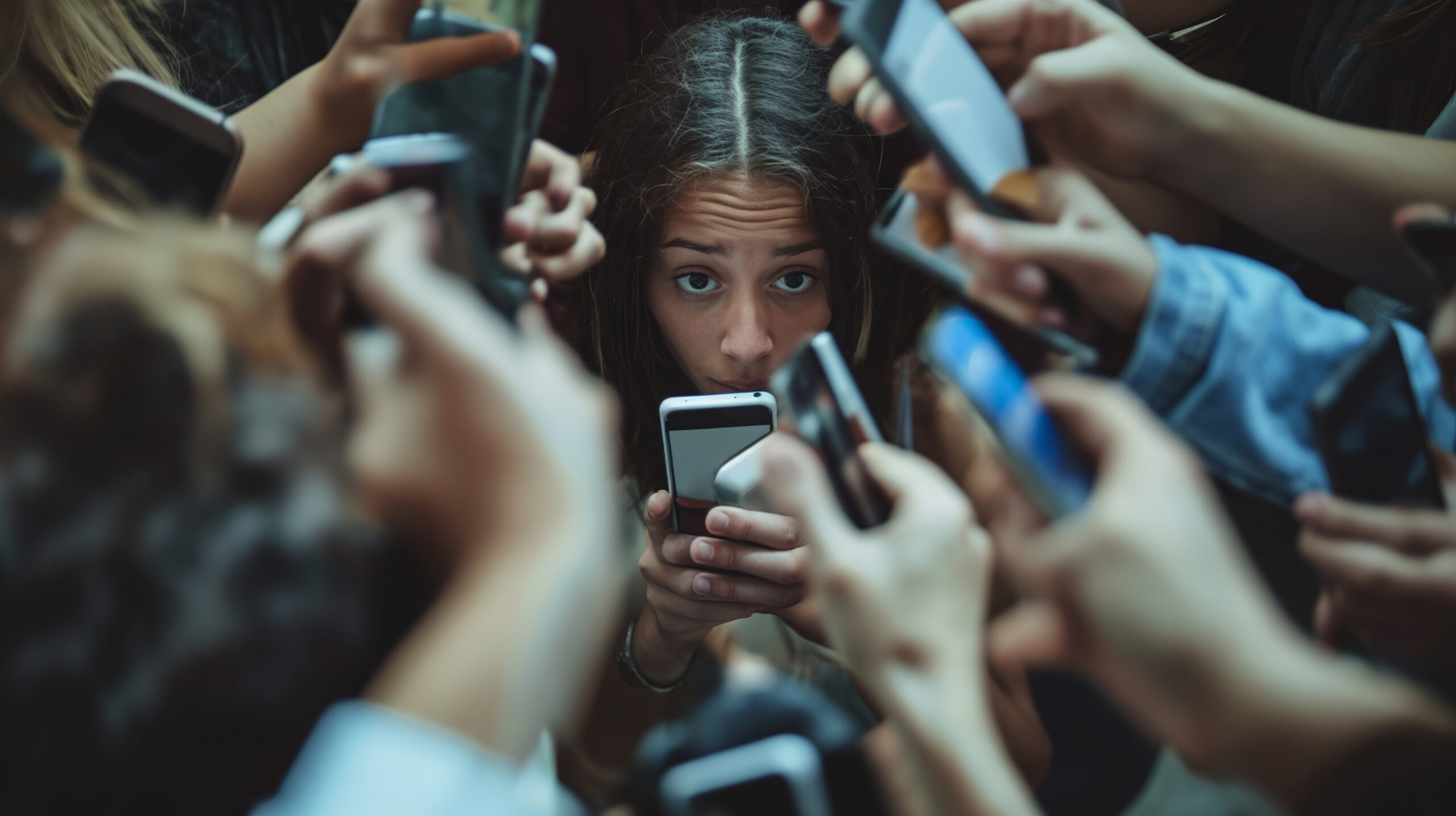







In an era where social media is omnipresent, understanding its impact on mental health has become increasingly vital. Platforms designed to connect individuals also harbor potential detrimental effects—particularly concerning fear of missing out (FOMO), social comparison, and anxiety. This article explores how social media usage affects various age demographics, highlighting the nuanced relationship between digital interactions and mental well-being.
The Rise of FOMO
Defining FOMO
Fear of missing out (FOMO) is a pervasive apprehension that others might be having rewarding experiences without you. Social media amplifies this phenomenon by presenting curated, idealized versions of life, often leaving users with a sense of exclusion.
Impact on Different Age Groups
- Teenagers: For adolescents, FOMO is particularly intense. The digital landscape functions as a critical arena for social acceptance, making them highly vulnerable to feelings of exclusion.
- Young Adults: Constant exposure to peers’ seemingly successful lives can lead to dissatisfaction with one’s own choices. FOMO often influences impulsive decision-making in search of validation.
- Older Adults: While less affected by traditional FOMO, many experience technological FOMO—a fear of not staying connected or relevant in a rapidly evolving digital society.
Social Comparison: A Double-Edged Sword
The Nature of Comparison
Social comparison theory suggests people determine their self-worth by measuring themselves against others. Social media, with its endless highlight reels, fuels this comparison and often leads to negative mental health outcomes.
Effects of Comparison
- Self-Esteem: Exposure to others’ idealized portrayals can erode confidence and self-worth across all ages.
- Body Image: Among adolescents and young adults, the constant emphasis on appearance and unrealistic beauty standards fosters body dissatisfaction and can contribute to eating disorders.
- Isolation: Older adults may compare their daily realities to the vibrant portrayals they see online, intensifying feelings of loneliness and depression.
Anxiety: The Silent Epidemic
Social Media-Induced Anxiety
The compulsive use of social media frequently triggers anxiety, manifesting as restlessness, irritability, and feelings of inadequacy. Younger users are especially prone to these symptoms.
Sources of Anxiety
- Expectation to Engage: The pressure to constantly respond, post, and maintain an online persona leads to stress and eventual burnout.
- Cyberbullying: Adolescents are particularly vulnerable to online harassment, which can intensify anxiety and depressive symptoms.
- Digital Competence Fears: For older adults, uncertainty around navigating platforms can create anxiety and discourage meaningful participation.
Final Thoughts
The relationship between social media and mental health is complex and multifaceted, impacting people across all age groups in different ways. The influence of FOMO, comparison, and anxiety highlights the importance of balance in digital engagement.
By promoting healthy online habits, encouraging open conversations about social media’s effects, and prioritizing real-life connections, individuals can safeguard their mental well-being. As digital culture continues to expand, ongoing research and dialogue remain crucial to fully understanding and mitigating the psychological impact of social media.