






How certain foods impact mood, energy, and mental clarity — plus tips for brain-healthy eating
Food and Mood: The Hidden Link
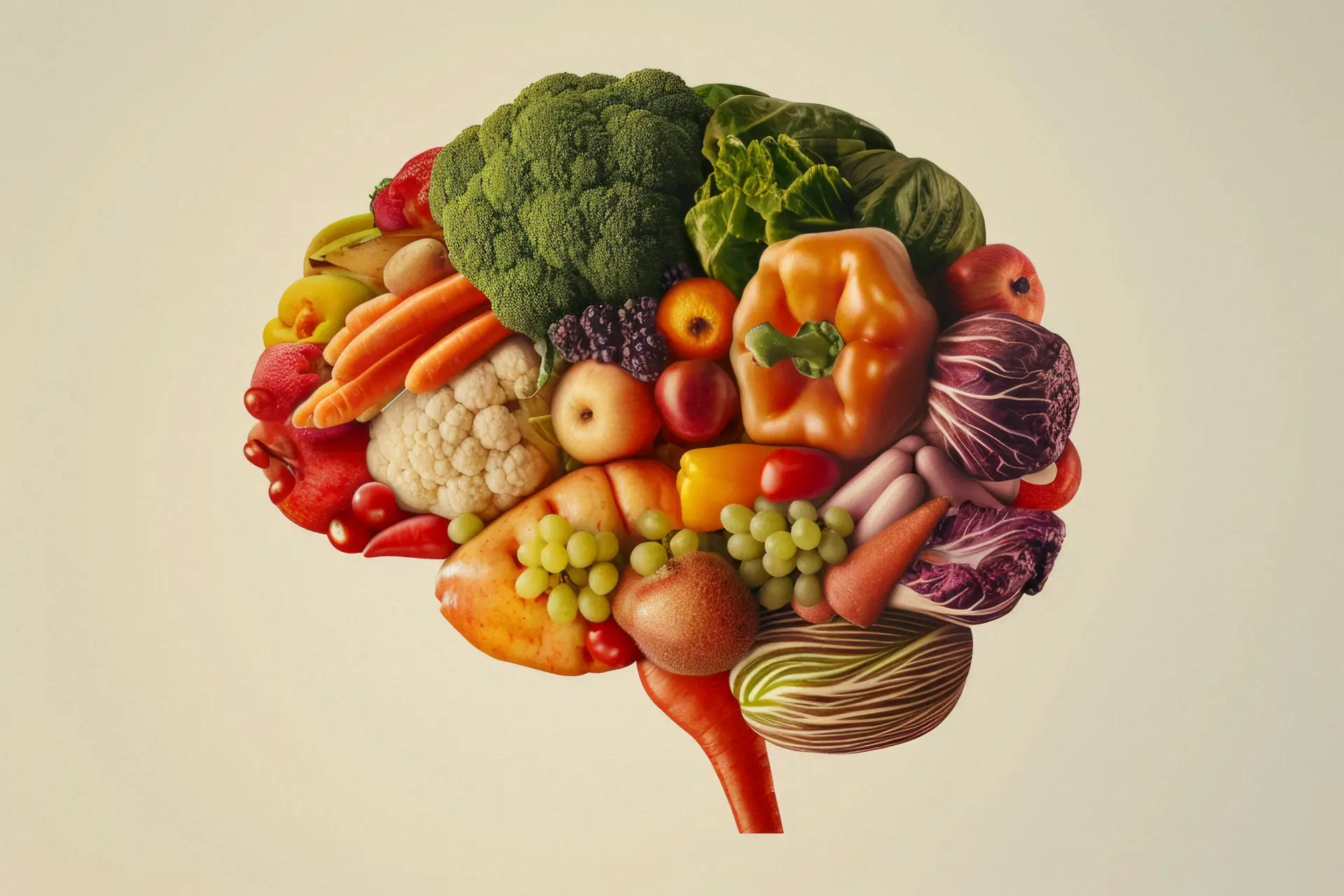
We often think of nutrition as fuel for the body, but what we eat also plays a major role in how we feel, think, and cope emotionally. Research increasingly shows a strong connection between diet and mental health. Certain foods can stabilize mood, sharpen focus, and boost energy — while others may contribute to anxiety, depression, or brain fog.
Understanding this connection gives us powerful tools to support mental well-being every day.
How Food Affects the Brain
- Blood Sugar Balance
Fluctuations in blood sugar can affect mood and energy. Refined carbs and sugary snacks cause quick spikes — followed by crashes that leave us irritable or fatigued. - Neurotransmitter Support
Nutrients from food help produce brain chemicals like serotonin (linked to mood), dopamine (motivation), and GABA (calmness). Without the right building blocks, these systems can’t function at their best. - Gut–Brain Connection
A large portion of serotonin is made in the gut. A healthy gut microbiome, supported by fiber and probiotics, can positively influence mood and reduce symptoms of depression and anxiety. - Inflammation and Brain Health
Diets high in processed foods and unhealthy fats can increase inflammation, which has been linked to depression. Anti-inflammatory foods — like leafy greens and omega-3s — help protect the brain.
Foods That Boost Mental Health
- Omega-3 Fatty Acids (salmon, walnuts, flaxseeds): Support memory, reduce inflammation, and may ease symptoms of depression.
- Complex Carbohydrates (oats, quinoa, sweet potatoes): Provide steady energy and help regulate serotonin levels.
- Lean Proteins (chicken, turkey, beans, lentils): Supply amino acids needed for neurotransmitter production.
- Fruits and Vegetables (especially berries, spinach, broccoli): Rich in antioxidants that protect brain cells.
- Fermented Foods (yogurt, kefir, sauerkraut, kimchi): Improve gut health, which supports mood regulation.
- Hydration (water, herbal teas): Even mild dehydration can affect concentration and mood.
Foods to Limit
- Sugary Drinks and Snacks: Cause energy crashes and mood swings.
- Highly Processed Foods: Often high in unhealthy fats and additives that may worsen inflammation.
- Excessive Caffeine: Can increase anxiety and disrupt sleep when over-consumed.
- Alcohol: A depressant that can interfere with sleep and mood stability.
Practical Tips for Brain-Healthy Eating
- Start with Small Swaps
Replace soda with sparkling water, or chips with a handful of nuts. - Aim for Balance, Not Perfection
It’s about progress — adding more nutritious foods, not cutting out everything you enjoy. - Eat Consistently
Regular meals and snacks prevent blood sugar crashes that impact mood. - Plan Ahead
Keep healthy snacks (like fruit or trail mix) accessible to avoid reaching for processed options. - Listen to Your Body
Notice how different foods make you feel — energized, calm, or sluggish — and adjust accordingly.
Final Thoughts
Nutrition is not a cure-all for mental health conditions, but it is a powerful tool that works alongside therapy, medication, and lifestyle choices. By nourishing your brain with whole, nutrient-rich foods, you can support emotional balance, mental clarity, and long-term well-being.