



Introduction
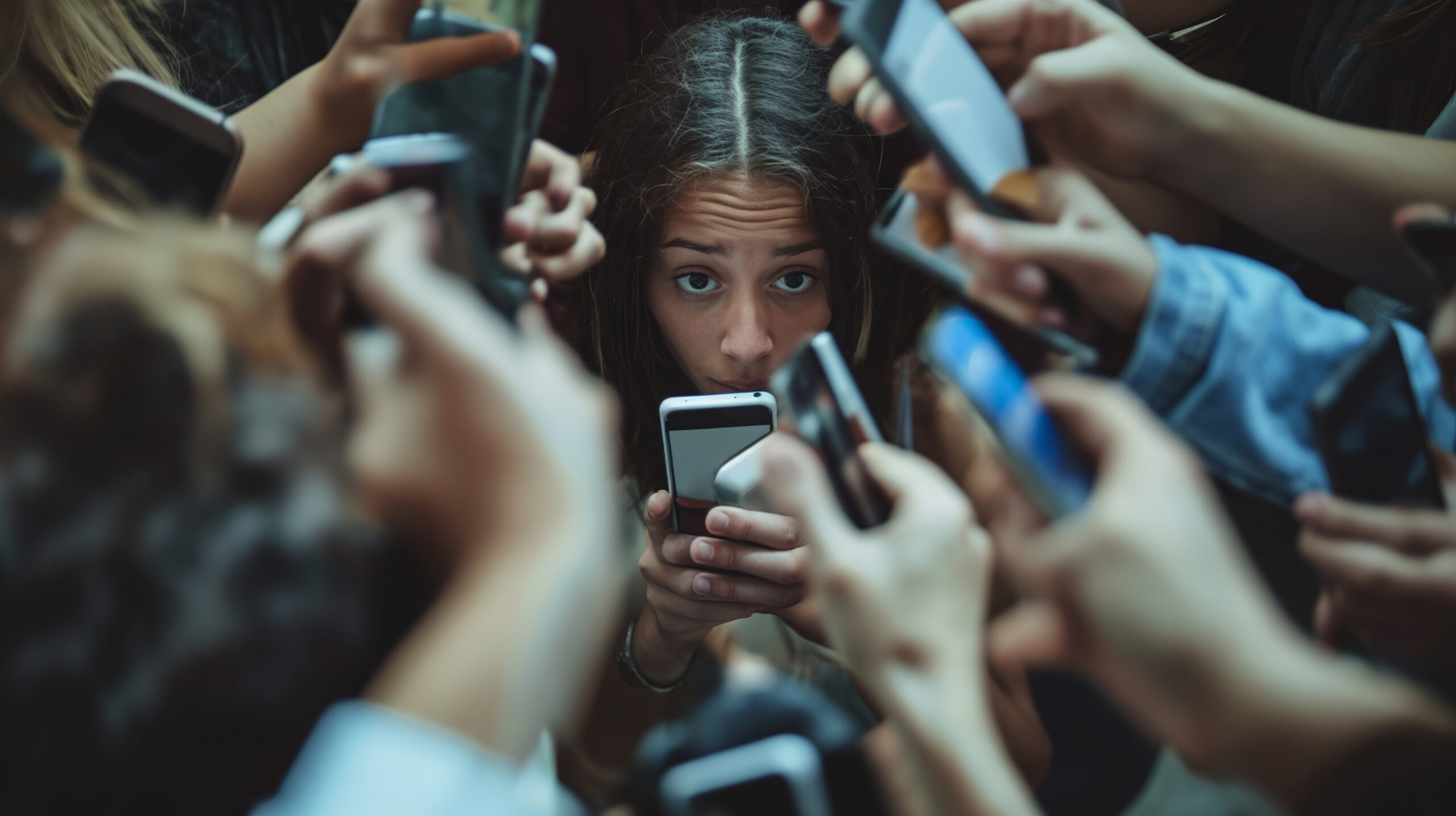
In the era of TikTok, Instagram, and Snapchat, teenagers are exposed to increasingly sophisticated AI-driven filters that can instantly alter their appearance—smoother skin, slimmer faces, perfect lighting, and enhanced features. While filters can be fun and creative, they also shape how teens see themselves and how they believe they should look.
This growing gap between a teen’s real appearance and their “filtered self” has significant implications for mental health, identity development, and self-esteem.
Understanding AI & Social Media Filters
AI-powered filters use advanced algorithms to detect facial features and modify them in real time. Unlike early filters that simply added fun elements (like dog ears or rainbow tongues), today’s filters:
- Change jawlines and cheekbones
- Brighten and enlarge eyes
- Alter skin tone and smooth textures
- Modify body proportions
- Apply digital makeup
These changes often create unrealistic beauty standards that no human naturally meets.
Why Teens Are Especially Vulnerable
Adolescence is a sensitive period in brain and identity development. Teens are forming beliefs about:
- Who they are
- What makes them attractive
- How they fit in socially
Because of this, they’re more likely to compare themselves to filtered images—not just of influencers, but of their own digitally edited faces.
This can lead to internalized pressure to meet standards that are literally impossible.
The Rise of “Filter Dysmorphia”
As filters become more normalized, more teens report feeling uncomfortable with their natural appearance. This phenomenon—often called filter dysmorphia—includes:
- Feeling unattractive without filters
- Wanting to look like their edited photos
- Obsessively retaking selfies until they “look right”
- Comparing their real appearance to their filtered version
For some teens, this can escalate into anxiety, depression, or body dysmorphic disorder (BDD).
Psychological Effects of Filters on Teen Self-Image
1. Unrealistic Beauty Standards
Teens begin to believe that “perfect” skin, large eyes, or flawless features are normal. This increases dissatisfaction with their natural look.
2. Increased Social Comparison
Filters create competition—not with real peers, but with altered versions of them. This heightens:
- Self-criticism
- Body dissatisfaction
- Feelings of inadequacy
3. Lower Self-Esteem
When teens rely heavily on filters to feel confident, their self-worth becomes tied to online validation.
4. Anxiety About Real-Life Appearance
Teens may avoid:
- Meeting people in person
- Going without makeup
- Taking unfiltered photos
- Participating in video calls
They fear being judged for not matching their edited online image.
5. Identity Confusion
Filters can blur the line between reality and fantasy. Teens may struggle with:
- Authentic self-expression
- Understanding what they truly look like
- Feeling “not good enough” in real life
AI’s Role in Reinforcing Bias and Insecurity
Many filters reflect and reinforce narrow beauty ideals such as:
- Eurocentric facial features
- Fairer skin
- Slimmer noses
- Larger eyes
AI models often replicate societal biases from the data they are trained on. This fuels harmful messages about beauty, especially for teens from diverse backgrounds.
How Social Media Algorithms Amplify the Problem
Social platforms reward visually appealing content. Posts with filters tend to:
- Receive more likes
- Get more engagement
- Be promoted more by algorithms
This creates a cycle where teens feel pressure to use filters to “perform” better online, reinforcing distorted self-image.
Signs a Teen May Be Struggling with Filter-Related Self-Image Issues
Parents or caregivers should watch for:
- Avoiding photos without filters
- Excessive editing of selfies
- Obsession with beauty apps
- Negative self-talk about appearance
- Withdrawing socially
- Comparing themselves constantly to influencers
Early detection can prevent deeper mental health challenges.
Helping Teens Build a Healthier Relationship with Social Media
1. Normalize Natural Appearance
Encourage unfiltered photos at home and emphasize that imperfections are normal.
2. Discuss Media Literacy
Teach teens how filters work and why online images are not always real.
3. Set Boundaries with Screen Time
Limit exposure to platforms that promote appearance-based content.
4. Encourage Role Models Who Promote Authenticity
Follow influencers who embrace realness, not perfection.
5. Validate Their Feelings
Teens need reassurance that feeling insecure is normal—and manageable.
6. Promote Offline Confidence-Building Activities
Hobbies, skills, friendships, and physical activity can boost self-esteem independent of appearance.
When to Seek Professional Support
Consider therapy if a teen:
- Expresses strong dislike of their natural appearance
- Refuses to appear in public unfiltered
- Shows signs of depression or anxiety
- Fixates on perceived flaws
- Withdraws from friends or school
A mental health professional can help them rebuild body image, self-confidence, and healthy digital habits.
Finally
AI and social media filters are powerful tools, but they can significantly distort how teens perceive themselves. By understanding the psychological impact, promoting healthy digital habits, and offering emotional support, caregivers can help teens navigate online spaces without sacrificing their self-worth.
A balanced approach—embracing technology while fostering self-acceptance—is key to helping teens develop a strong and healthy sense of identity.