

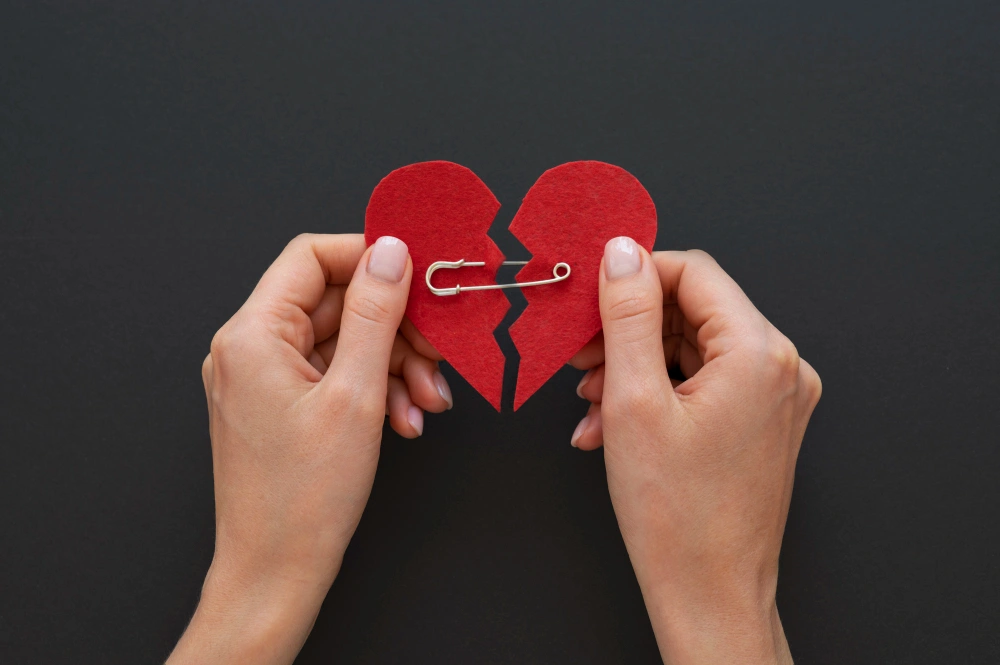




Why Treating Both Mental Health and Substance Use Together Is Essential
Mental illness and addiction are challenging enough on their own—but when they occur at the same time, the complexity increases significantly. This condition is called dual diagnosis, and it requires a highly specialized, integrated approach to treatment.
At Kazmo Brain Center, we help clients navigate the unique challenges of dual diagnosis with a comprehensive team of professionals trained in both mental health and addiction recovery.
What Is Dual Diagnosis?
Dual diagnosis (also known as co-occurring disorders) refers to someone who has both:
- A mental health disorder such as depression, anxiety, bipolar disorder, PTSD, or schizophrenia
and - A substance use disorder involving alcohol, drugs, or prescription medication misuse
These conditions interact in complex ways, often fueling and worsening each other. For example, someone with untreated anxiety may use alcohol to self-medicate, which in turn increases their anxiety over time.
Why Dual Diagnosis Is So Common
Studies show that nearly 50% of individuals with a substance use disorder also experience a mental health condition at some point. Reasons include:
- Self-medication: People often turn to substances to cope with symptoms of depression, trauma, or anxiety.
- Biological factors: Genetics may increase vulnerability to both mental illness and addiction.
- Environmental stressors: Childhood trauma, neglect, or chronic stress can lead to both mental and substance use disorders.
Symptoms of Dual Diagnosis
Dual diagnosis can look different for every individual, but common signs include:
- Using drugs or alcohol to “numb” emotional pain
- Withdrawal from social connections
- Mood swings, irritability, or aggression
- Difficulty holding a job or maintaining relationships
- Episodes of depression or anxiety worsened by substance use
- Frequent relapses or treatment failures in traditional rehab
It’s important not to overlook mental health symptoms when treating addiction—or vice versa.
The Importance of Integrated Treatment
One of the biggest mistakes in treating dual diagnosis is trying to treat one condition while ignoring the other. This often leads to relapse, incomplete recovery, or worsening symptoms.
At Kazmo Brain Center, we take a fully integrated approach:
✅ Simultaneous treatment of both mental illness and addiction
✅ Coordination between psychiatrists, counselors, and addiction specialists
✅ Individual therapy, group sessions, and medication management
✅ Holistic support like nutrition, sleep, and life skills coaching
This whole-person model increases the chances of long-term recovery and stability.
Treatment Options at Kazmo Brain Center
We offer a variety of personalized treatment paths, including:
- Psychiatric evaluation and medication management
- Cognitive Behavioral Therapy (CBT) for underlying thought patterns
- Trauma-informed care for clients with past abuse or PTSD
- Addiction counseling and relapse prevention planning
- Family support programs to strengthen your environment
Our goal is not just to treat symptoms—but to help you rebuild your life with lasting tools for resilience.
Break the Cycle: Help Is Closer Than You Think
Living with dual diagnosis can feel like being trapped in a never-ending loop—but recovery is possible with the right support.
📞 Contact Kazmo Brain Center today for a confidential consultation and take the first step toward healing both mind and body.